

The path to federal retirement has become increasingly turbulent. On April 10, 2026, the United States Postal Service (USPS) announced a highly concerning “cash conservation plan.” Facing a severe liquidity crisis and warning that it could run out of cash by February 2027, the agency temporarily suspended its employer contributions to the defined benefit portion of the Federal Employees Retirement System (FERS). This drastic move aims to free up approximately $2.5 billion in the current fiscal year to maintain payroll and mail operations.
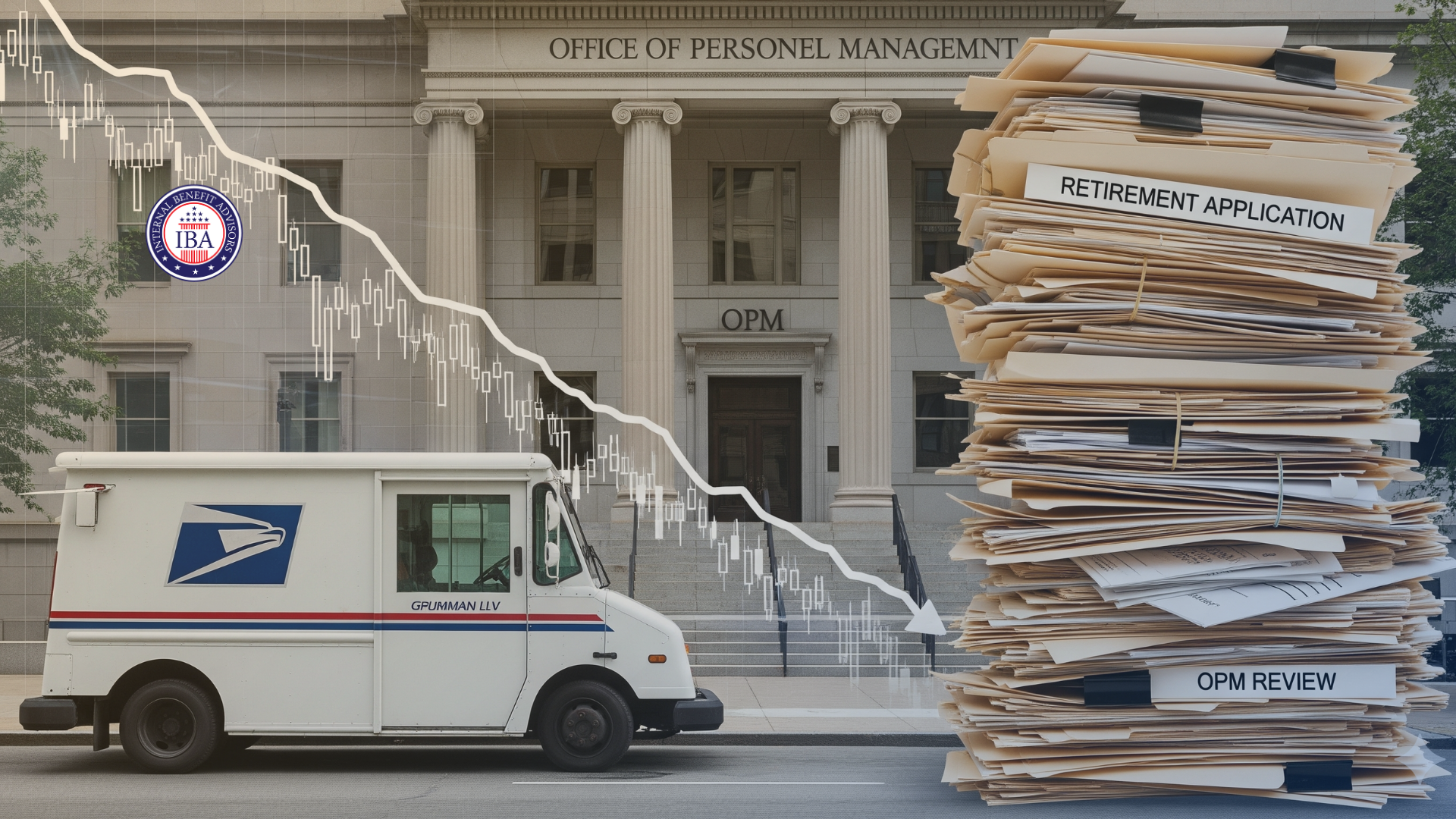
While USPS leadership assures that current and future retirees will not see an immediate detrimental impact on their pension funds, this financial instability is unfolding alongside another major crisis: a massive processing backlog at the Office of Personnel Management (OPM).
The Human Toll of Administrative Delays
At the exact same time the Postal Service is fighting for liquidity, newly retired USPS workers are finding themselves trapped in an administrative bottleneck that threatens their livelihood.
A recent CBS News Texas investigation highlighted the severe reality of these delays, interviewing retired postal workers who have been waiting months to receive their earned retirement benefits with little to no explanation. Billy Wright, a 60-year-old veteran who dedicated 29 years to the USPS, retired in November and has been waiting over five months for his full benefits. Wright has been forced to take a side job and borrow from relatives just to cover his $1,600 monthly rent, as the meager $400 he received in “interim pay” from the government is nowhere near enough to survive.
Similarly, 79-year-old Judy Morland, who spent over 25 years with the Postal Service, has been struggling since October to access her workers’ compensation and retirement benefits, stating that the financial burden has become overwhelming.
Sound Data: Inside the 2026 OPM Backlog
The Office of Personnel Management (OPM), which oversees all federal retirement benefits, has acknowledged that thousands of retirees nationwide are facing these exact delays. A look at the most recent 2026 administrative data explains the sheer magnitude of the problem:
- The Retirement Surge: OPM experienced an unprecedented wave of retirements over the last year. In 2025, the agency processed over 112,360 retirement claims—an increase of more than 25% from 2024.
- A Growing Inventory: By January 2026, the backlog of pending retirement applications had surged past an alarming 54,000 cases, severely straining OPM’s processing capabilities.
- Paper vs. Digital Inefficiencies: OPM cited the ongoing transition from a manual, paper-based system to the new digital Online Retirement Application (ORA) as a core bottleneck. Retirees like Wright and Morland who filed traditional paper applications are seeing processing times averaging 90 to 100 days. While digital applications have cut the processing wait by more than half, even minor missing documents or errors can immediately reset the clock, leaving retirees stranded on interim pay indefinitely.
Securing Your Future with Internal Benefit Advisors
When your agency is implementing emergency cash conservation plans and the government’s retirement processing system is drowning in a 54,000-case backlog, hoping for a smooth transition is no longer a viable financial strategy. Federal employees must take proactive control of their exit timeline to ensure they do not end up relying on partial interim pay to survive.
Internal Benefit Advisors provides the specialized, fiduciary-level support necessary to navigate this volatile climate. Our experts help you bypass administrative delays and secure your livelihood through:
- Free Retirement Paperwork Assistance: The primary cause of a stalled retirement application is incomplete or incorrect paperwork. We help you audit and complete your FERS or CSRS package for FREE, ensuring it is “OPM-ready” to protect you from the months-long delays currently plaguing the system.
- Interim Gap Planning: We help you calculate your expected interim pay and structure your cash reserves so that you can comfortably weather the OPM processing window without having to take on a side job or incur high-interest debt.
- TSP Optimization: With the USPS pausing employer contributions to the FERS pension trust, ensuring your personal Thrift Savings Plan (TSP) is maximizing growth and providing reliable liquidity is more important than ever. We offer expert counseling to align your TSP allocations with your real-world retirement needs.
The combination of the Postal Service’s financial crisis and OPM’s processing backlog proves that the road to federal retirement is currently filled with hurdles. Empower yourself with independent financial guidance. Contact Internal Benefit Advisors today for a free assessment and ensure the retirement you earned is the retirement you actually receive.
References
- CBS News Texas. (2026, April 10). Dozens of retired USPS workers have waited months to receive retirement benefits. 2. The Associated Press. (2026, April 10). USPS to suspend pension contributions, seeks 4-cent stamp price hike.
- Government Executive. (2026, January). OPM inspector general flags top management challenges for fiscal 2026.
- Internal Benefit Advisors. Information you need, Support you can trust. internalbenefitadvisors.com
Understanding the January 2026 OPM Processing Delays This video breaks down the specific data and workforce trends that drove the OPM retirement backlog to over 54,000 cases earlier this year.