
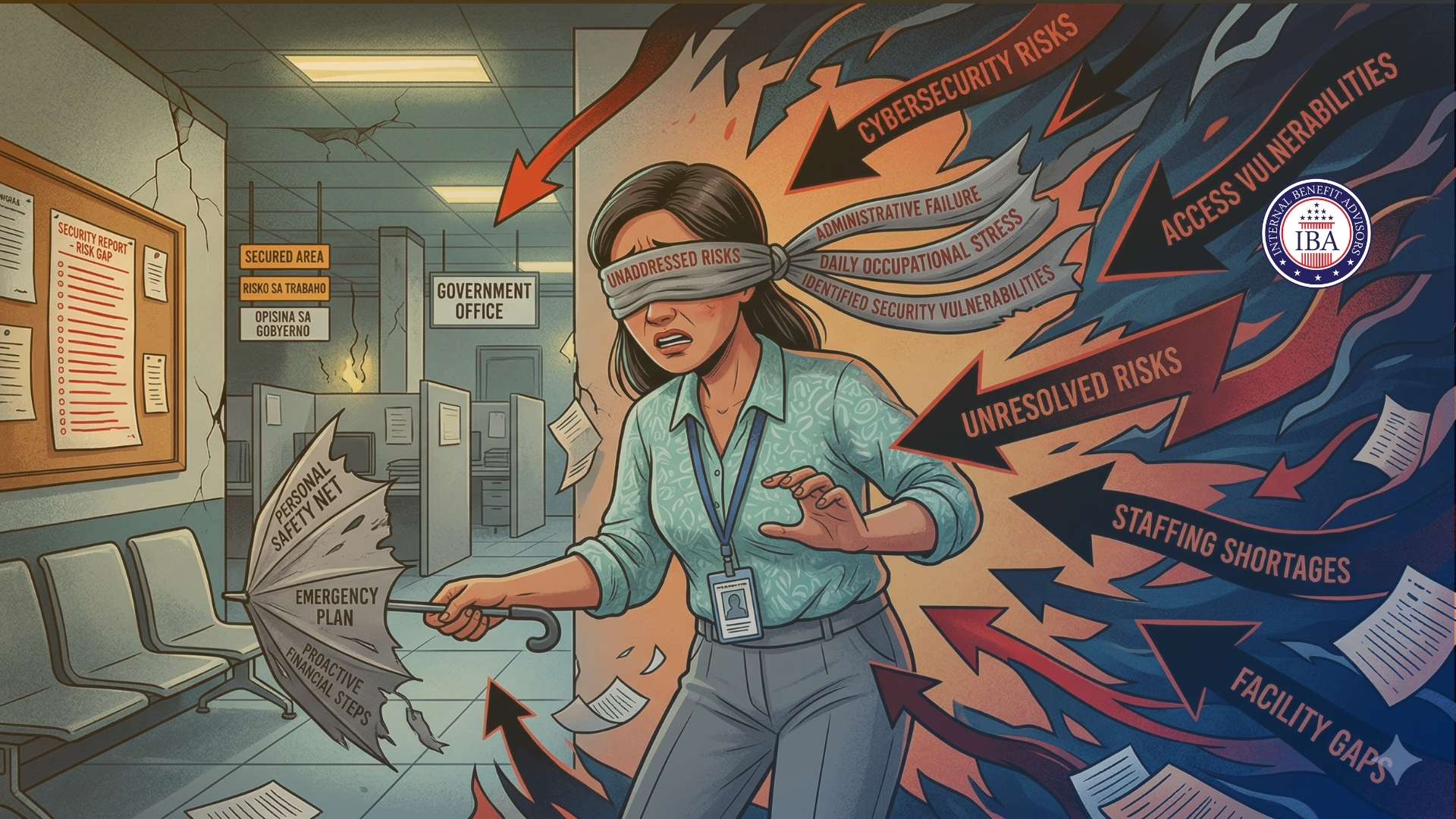

The safety of the federal workforce is a foundational requirement for effective government operations. However, a troubling pattern continues to emerge across federal agencies. According to recent coverage by FEDweek, yet another oversight report has revealed that critical physical security vulnerabilities at federal buildings remain largely unaddressed.
For the civil servants who report to these facilities daily, the persistent gap between identified security risks and actual on-the-ground mitigation is more than an administrative failure—it is a daily source of occupational stress. As the government grapples with securing its physical infrastructure, federal employees must take proactive steps to ensure their personal and financial safety nets are impenetrable.
The Scope of the Security Shortfall
The recurring theme in recent Inspector General and Government Accountability Office (GAO) reports is not a lack of awareness, but a lack of execution. Facilities are regularly assessed by the Federal Protective Service (FPS) and other security entities, but the recommended countermeasures—ranging from upgraded access controls to enhanced surveillance and structural reinforcements—frequently languish in bureaucratic limbo.
Sound Data: The Reality of Federal Workplace Security The gravity of these unaddressed risks is underscored by broader systemic data regarding federal facility security:
- The Countermeasure Rejection Rate: GAO testimony has historically highlighted that federal agencies reject or delay implementing a significant percentage of FPS-recommended security countermeasures, often citing budget constraints or disputes over agency jurisdiction.
- Rising Threat Levels: The need for robust facility security has never been higher. The U.S. Marshals Service and the Department of Homeland Security have reported exponential increases in threats directed at federal employees, judges, and law enforcement personnel over the last five years.
- The FPS Staffing Strain: The Federal Protective Service, which protects over 9,000 federal facilities, has consistently faced staffing and training challenges, heavily relying on contract security guards who frequently experience high turnover rates and inconsistent training standards.
When the agencies responsible for securing federal buildings cite funding shortfalls or logistical delays, the burden of that risk is indirectly passed onto the daily workforce.
The Pivot: From Physical Risk to Financial Security
Working in an environment where security protocols are known to be lagging takes a psychological toll. Prolonged concerns about workplace safety can accelerate burnout and prompt federal employees to rethink their career longevity.
If you are questioning your long-term future at your agency due to deteriorating workplace conditions, having a fully optimized financial exit strategy is your strongest leverage. You cannot control your agency’s facility budget, but you can control your retirement readiness.
Shielding Your Future with Internal Benefit Advisors
When institutional support wavers, Internal Benefit Advisors provides the fiduciary-level stability you need to protect your legacy. Our experts help federal employees build a financial perimeter that empowers them to make career decisions based on their well-being, rather than financial necessity.
- Evaluating FEGLI and Survivor Benefits: In environments with elevated risks, ensuring that your Federal Employees’ Group Life Insurance (FEGLI) is optimized is paramount. We help you review your coverage levels to ensure your family is fully protected without overpaying for unnecessary premiums.
- Accelerating Your Exit Strategy: If workplace safety concerns prompt you to consider an early departure, we help you analyze the financial impact of your retirement options. We offer free assistance with retirement paperwork, ensuring your FERS or CSRS application is flawless and preventing costly processing delays at OPM.
- TSP Capital Protection: Financial independence is the ultimate safety measure. We provide unbiased counseling on your Thrift Savings Plan (TSP) allocations, ensuring your investments are positioned to support your retirement timeline, even if that timeline is moved up unexpectedly.
- Comprehensive Benefit Synchronization: We evaluate the “big picture,” ensuring that your health benefits (FEHB), tax planning, and pension calculations are perfectly aligned for a smooth transition out of federal service.
Take Command of Your Personal Security
Persistent reports of unaddressed security risks serve as a sobering reminder that federal employees must be their own strongest advocates. While you wait for your agency to implement critical physical safeguards, do not delay in securing your financial foundation.
Empower yourself with a solid plan. Contact the experts at Internal Benefit Advisors today for a Free Benefit Assessment and ensure your retirement and benefits strategy is as secure as you deserve your workplace to be.
References
- FEDweek. Yet Another Report Finds Security Risks at Federal Buildings Unaddressed. FEDweek.com
- Internal Benefit Advisors. Information you need, Support you can trust. InternalBenefitAdvisors.com
- U.S. Government Accountability Office (GAO). Federal Protective Service: Actions Needed to Better Manage Security Risks at Federal Buildings. (GAO-23/24 Historical Facility Security Data).
Department of Homeland Security (DHS) OIG.Ongoing Challenges in the Oversight of Contract Guard Services.