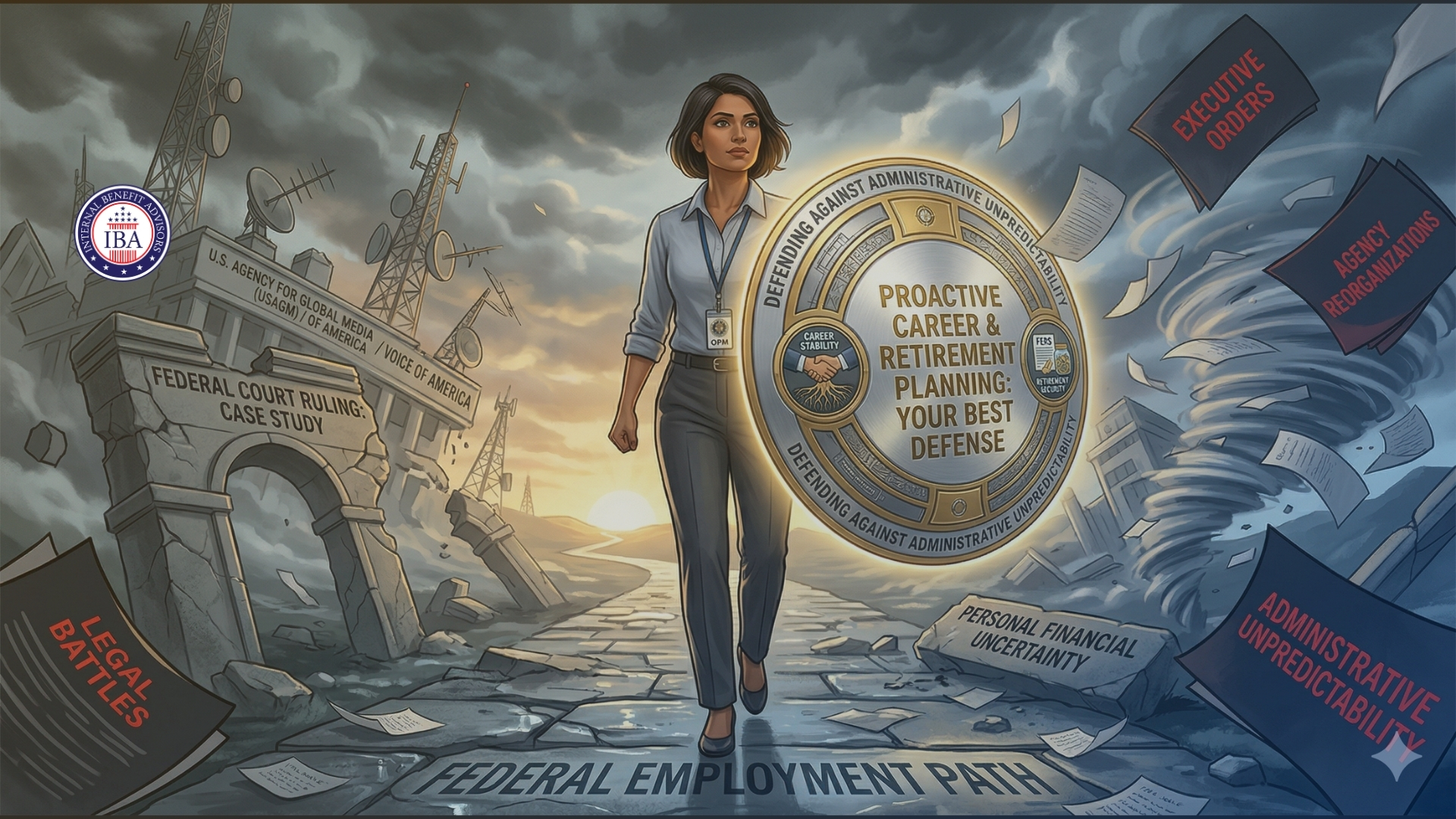
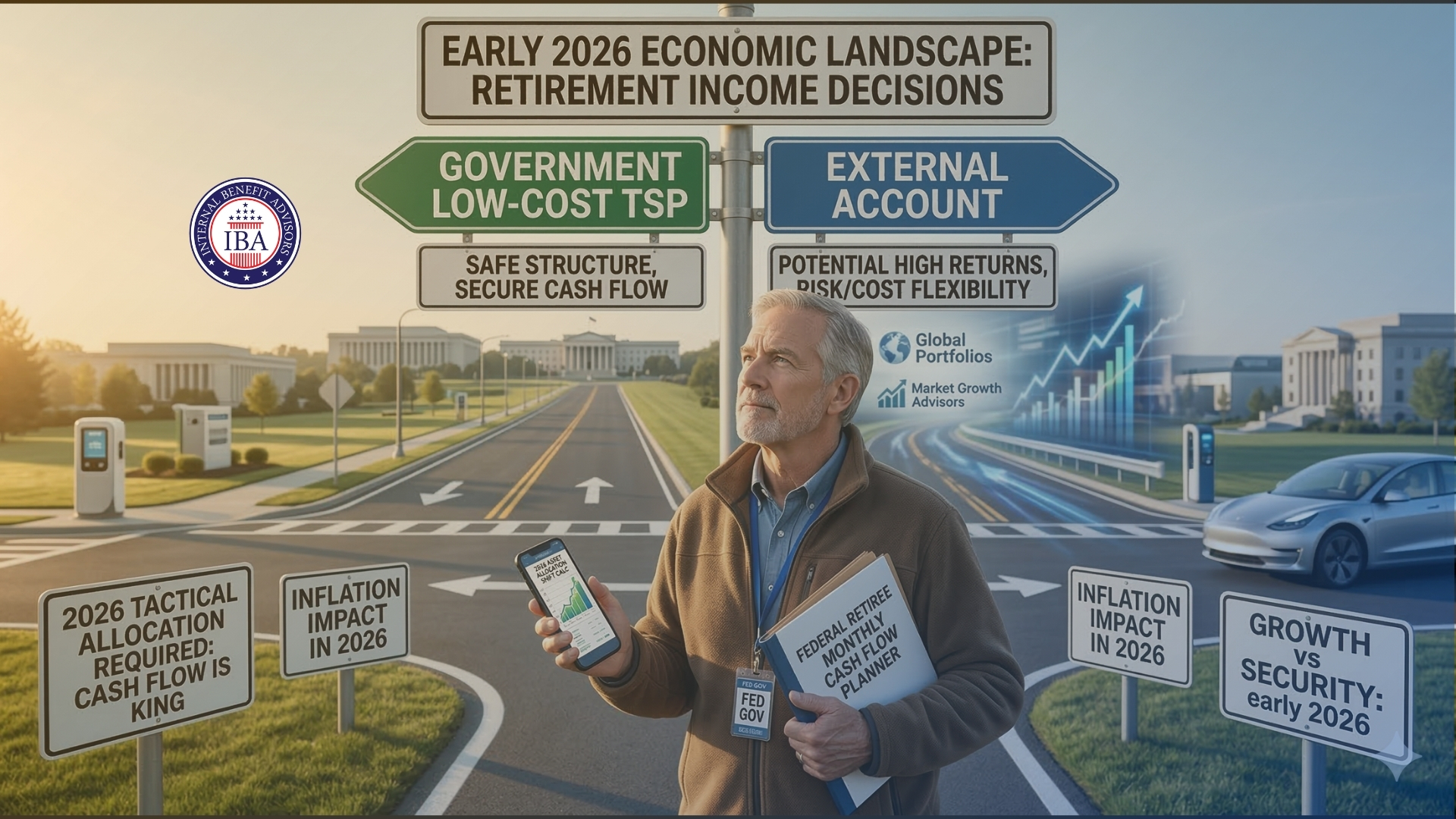

Entering retirement transforms the Thrift Savings Plan (TSP) from a primary savings vehicle into a critical source of monthly cash flow. However, many retirees find themselves at a crossroads: should they leave their funds within the government’s low-cost structure, or move them to an external account? As we navigate the economic landscape of 2026, the decision on where to “put” your TSP requires more than just a passing glance at historical returns—it requires a tactical shift in allocation.
The Lifecycle Paradox: Is the L Income Fund Enough?
For many federal retirees, the default “safe” choice is the L Income Fund. Designed specifically for participants already making withdrawals, this fund prioritizes capital preservation. However, recent 2026 market data suggests that a “set-and-forget” approach to L Income may not keep pace with current inflationary pressures.
As of early 2026, the L Income Fund has posted a 12-month gain of approximately 9.27%. While respectable, it is heavily weighted toward the G and F Funds, which provide stability but limited growth. In contrast, the International (I) Fund has surged, leading the TSP with a staggering 35.33% 1-year return through February 2026. For a retiree with a 25-to-30-year time horizon, being too conservative can be just as risky as being too aggressive, as it increases the likelihood of outliving your assets.
Sound Data: The 2026 Retirement Reality
To make an informed decision, retirees must consider the updated 2026 financial context:
- The COLA Disparity: For 2026, CSRS retirees received a 2.8% COLA, while FERS retirees were capped at 2.0%. This gap emphasizes the need for your TSP to “work harder” to bridge the shortfall in purchasing power.
- A Trillion-Dollar Trust: The TSP remains one of the largest and most stable retirement plans in the world, with total assets exceeding $1.1 trillion as of late 2025. Its expense ratios (averaging around 0.035%) remain significantly lower than the industry average for private-sector 401(k)s or retail IRAs.
- New In-Plan Flexibility: As of January 2026, the TSP introduced Roth in-plan conversions, allowing participants to convert traditional (pre-tax) balances to Roth (after-tax) balances within the existing account. This provides a powerful new tool for tax planning without requiring an external rollover.
Navigating the “Where” with Internal Benefit Advisors
Deciding where to place your TSP isn’t just about picking a fund; it’s about aligning your assets with your lifestyle. The TSP contains unique opportunities—such as the G Fund’s “risk-free” principal protection—but it is also prone to irreversible mistakes, particularly regarding taxes and withdrawal sequence.
At Internal Benefit Advisors, we specialize in the “caveats” of the federal system. We help you answer the critical questions that general financial planners often miss:
- Retention vs. Rollover: Should you keep your funds in the TSP for the ultra-low fees and G Fund access, or move them to a private IRA for broader investment options and professional management?
- Withdrawal Strategy: We help you model installments to ensure your monthly income meets your needs while accounting for the 2026 IRS life expectancy tables.
- Tax Mitigation: With the new Roth conversion options, we can help you strategically manage your tax brackets to protect your heirs from the “tax bomb” of large traditional balances.
- Paperwork Support: Transitioning to the distribution phase involves complex forms. We provide free assistance with your retirement paperwork to ensure your annuity and TSP distributions are synchronized.
Beyond the Balance: Building a Durable Stream of Income
The “where” of your TSP is ultimately a question of purpose. Is the money for your immediate needs, a legacy for your children, or a hedge against future inflation?
Don’t leave your legacy to chance. The market leadership shift toward international stocks and the evolving 2026 tax landscape mean that last year’s strategy may no longer be optimal. Contact Internal Benefit Advisors for a Free Assessment and ensure your TSP is positioned to support the retirement you’ve earned.
References
- FEDweek Staff. (2024). Where Should I Put My TSP in Retirement? https://www.fedweek.com/tsp/where-should-i-put-my-tsp-in-retirement/
- Internal Benefit Advisors. What Do I Do With My TSP? https://internalbenefitadvisors.com
- Thrift Savings Plan (TSP.gov). (2026, February). Monthly Performance and Asset Allocation Report.
- Social Security Administration (SSA). (2025, October). 2026 Cost-of-Living Adjustment (COLA) Fact Sheet.
- DailyFED Analytics. (2026, January). The Impact of Roth In-Plan Conversions on Federal Retirees.