
A recent report from the Office of Personnel Management (OPM) Inspector General has flagged a persistent and costly issue within the Federal Employees Health Benefits (FEHB) program: the continued coverage of ineligible family members. As highlighted by FEDweek, while new systems are being put in place, significant gaps remain that allow ineligible persons to stay on the rolls, driving up costs for every faithful enrollee in the system.
The Verification Gap
As part of the launch of the Postal Service Health Benefits (PSHB) program, OPM implemented a new enrollment portal with enhanced eligibility verification features. While this system is designed to eventually scale to the wider FEHB, it currently has a major limitation: it primarily applies only to new enrollments or changes in coverage due to qualifying life events (like marriage or childbirth).
This leaves a massive blind spot. The vast majority of existing family members—those already on your plan before these new checks were implemented—remain unverified. According to the Inspector General, this decentralized process creates an environment where “no one party has the final say,” allowing ineligible dependents (such as former spouses or children who have aged out) to remain covered indefinitely.
Sound Data: The Cost of Complacency
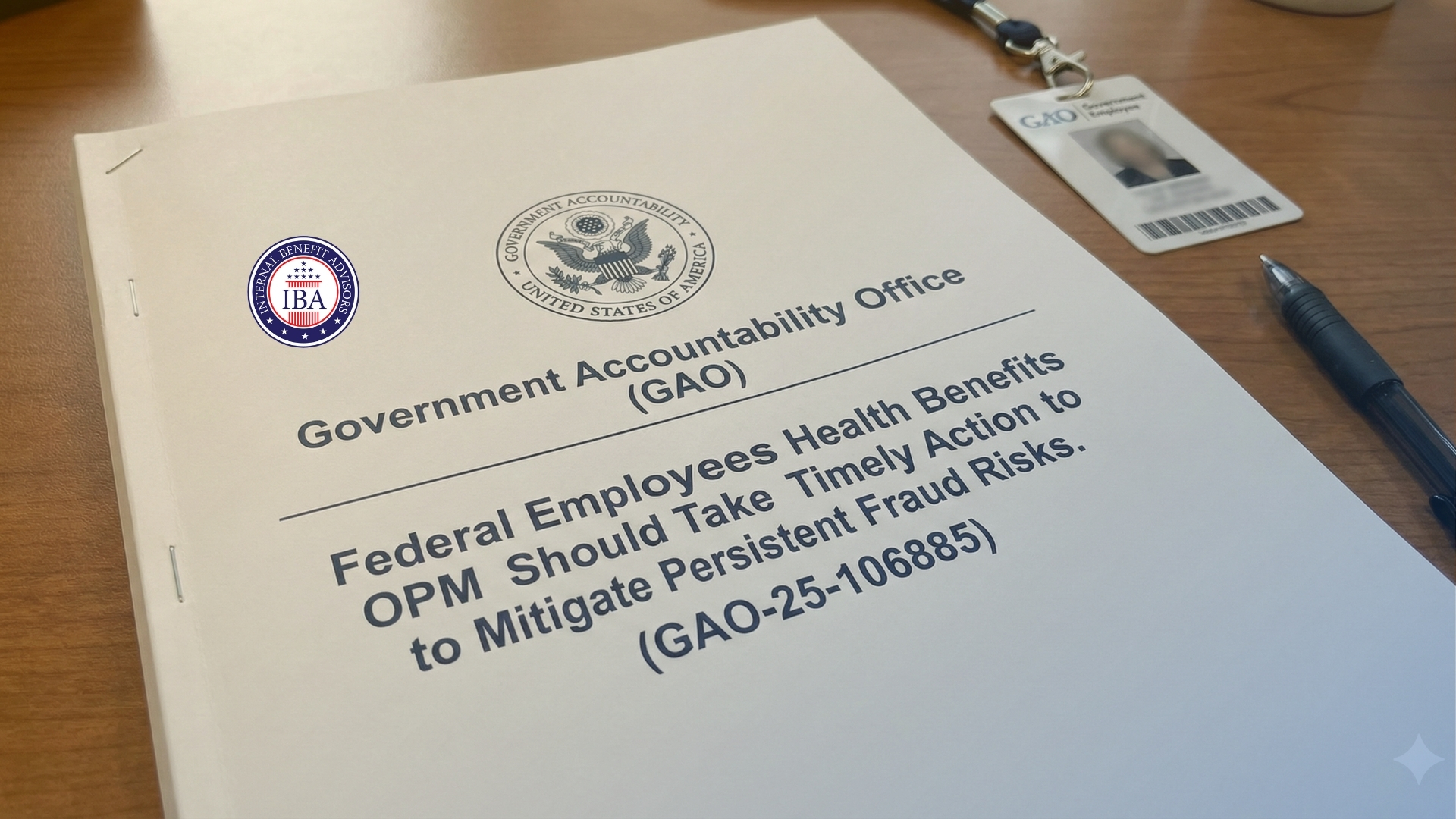
The financial impact of this oversight is staggering. Sound data from the Government Accountability Office (GAO) and OPM’s own estimates reveal the true scale of the problem:
- $1 Billion Annually: OPM has estimated that improper payments related to ineligible family members could cost the program up to $1 billion per year.
- Fraud Risk: In one egregious example cited by the GAO, a federal employee fraudulently covered two ineligible individuals for nearly 12 years, resulting in more than $100,000 in improper claims paid by the program.
- Shared Burden: These costs are not just absorbed by the government; they are passed directly to you. Ineligible dependents drive up the total cost of claims, which in turn fuels the premium increases that all federal employees and retirees face each year.
Why This Matters for Your Benefits
While OPM has received funding to conduct a full audit of FEHB enrollment, a long-term, centralized solution is still years away. In the meantime, the burden of proof often falls on the employee during random audits or when trying to make changes during retirement processing.
Carrying an ineligible dependent isn’t just a system error; it can lead to demands for repayment of claims, retroactive cancellation of coverage, and significant legal headaches during retirement processing.
Secure Your Benefits with Expert Guidance
You shouldn’t have to navigate these compliance minefields alone. Internal Benefit Advisors specializes in ensuring your federal benefits are optimized, compliant, and ready for your future.
Here is how we help you stay secure:
- Eligibility Audits: We can review your current FEHB enrollment to ensure all listed dependents meet the strict OPM eligibility criteria, preventing future surprises.
- Retirement Transition: We ensure your beneficiary forms and family member documentation are flawless before you submit your retirement package, preventing delays at OPM.
- Open Season Strategy: We help you navigate changes in enrollment to ensure you aren’t paying extra premiums for a “Self and Family” plan when a “Self Plus One” plan might be all you legally need.
Don’t let a system loophole compromise your financial security.
Contact Internal Benefit Advisors today for a comprehensive benefits review and ensure your coverage is as secure as your service.
References
- FEDweek. “Concerns Remain about Ineligible Persons under FEHB; Verification System Limited.” December 2, 2025.
- Government Accountability Office (GAO). Federal Employees Health Benefits Program: Additional Monitoring Mechanisms and Fraud Risk Assessment Needed. (GAO-23-105222).
- Government Accountability Office (GAO). Federal Employees Health Benefits Program: OPM Should Take Timely Action to Mitigate Persistent Fraud Risks. (GAO-25-106885).
- Internal Benefit Advisors. Retrieved from https://internalbenefitadvisors.com