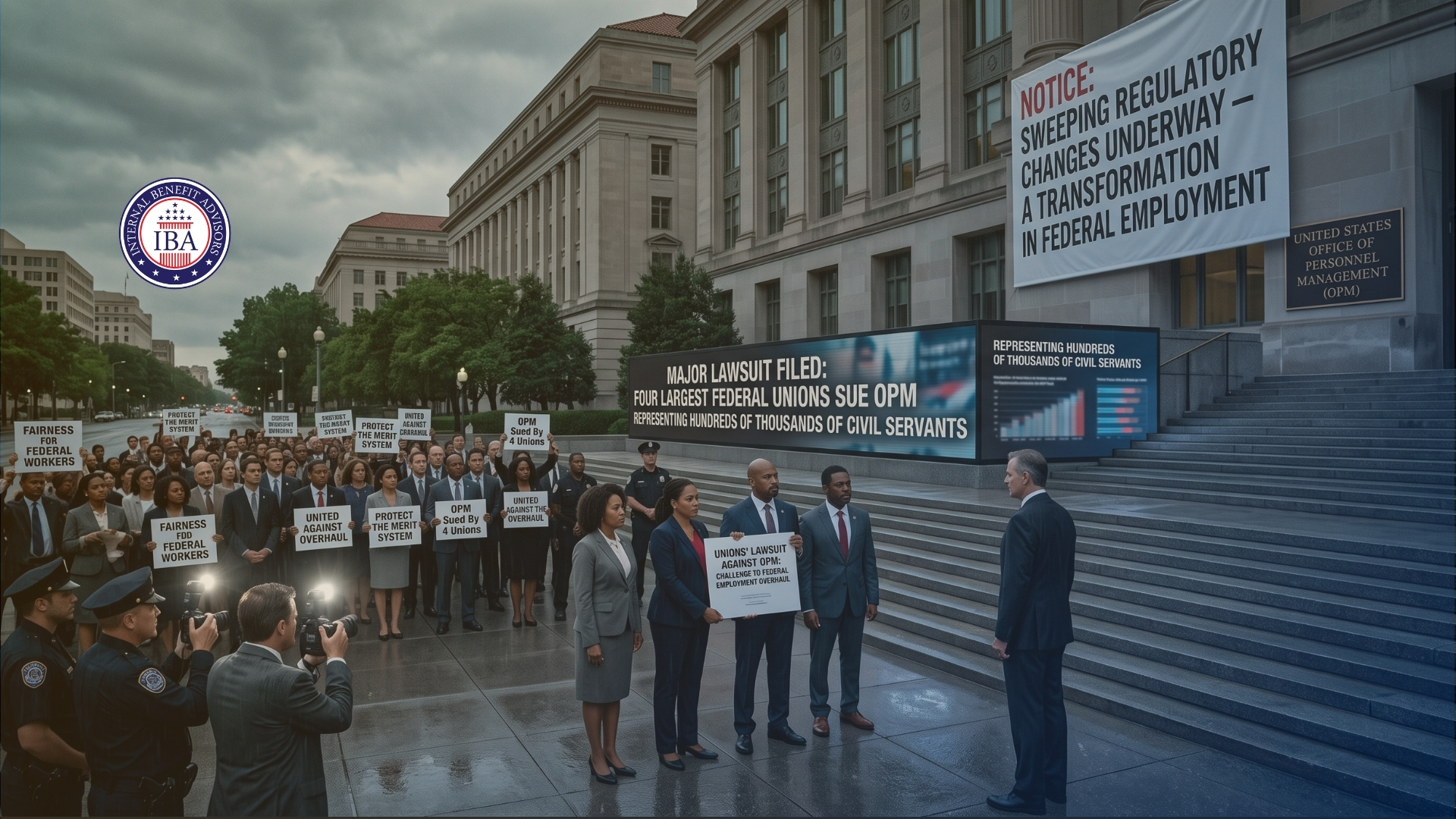
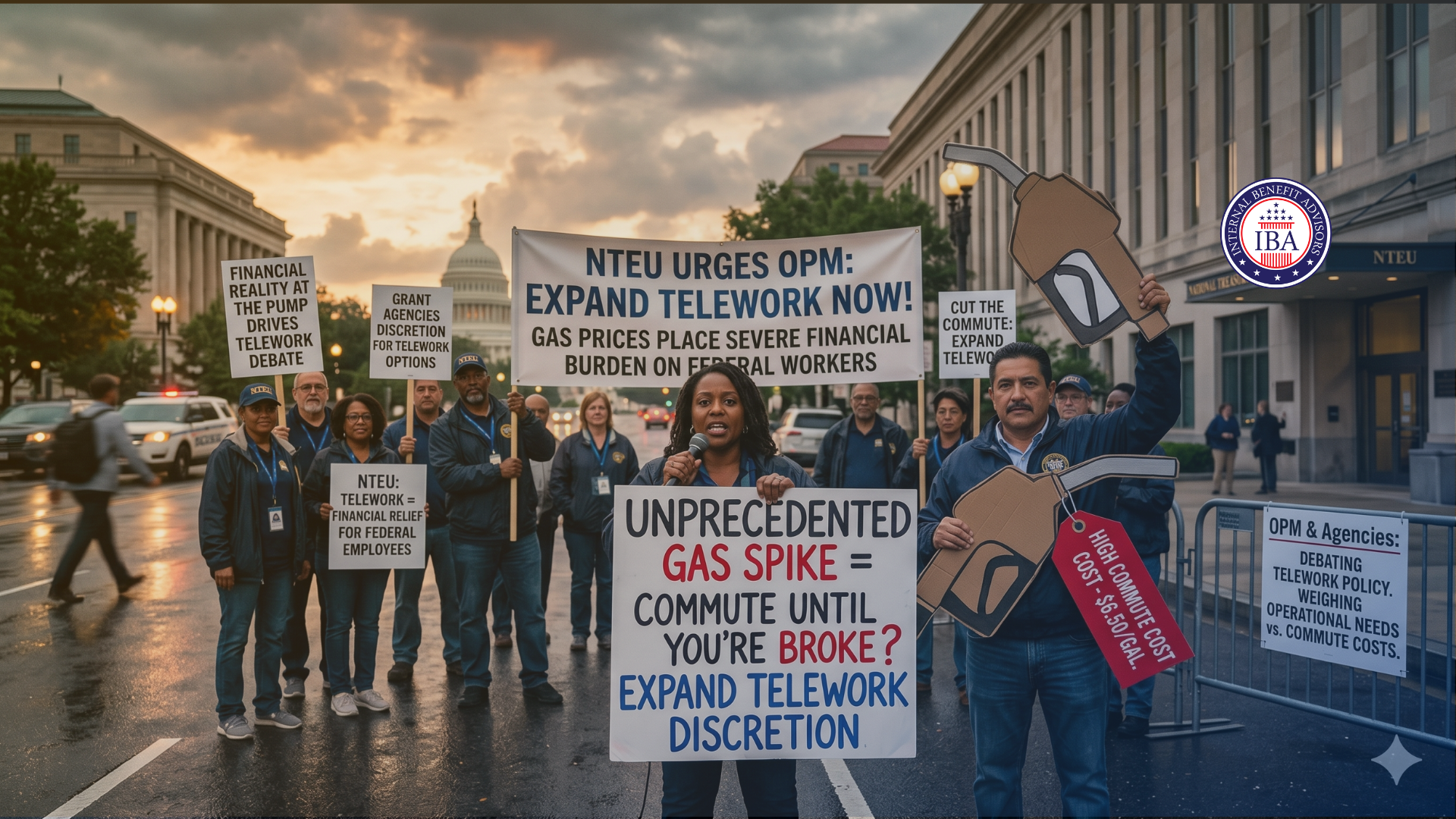

The debate over federal telework policies is heating up once again, driven not by public health concerns, but by the financial reality at the pump. According to recent reports from FEDweek and other federal news outlets, the National Treasury Employees Union (NTEU) is actively urging the Office of Personnel Management (OPM) to grant agencies the discretion to expand telework options. The primary catalyst behind this push is the unprecedented spike in gas prices, which is placing severe financial burdens on federal workers required to commute daily.
As agencies navigate strict return-to-office mandates, understanding the economic arguments for telework and securing your own financial readiness is critical for any career civil servant.
Sound Data: The Economic Reality of the 2026 Commute
To understand the urgency of the NTEU’s request, one must look at the recent economic data affecting the federal workforce’s wallet. Since early 2026, the national average for a gallon of gas has seen a drastic upward trajectory, severely impacting the cost of living.
- The Price Surge: In multiple regions across the country, average gas prices surged from less than $2.81 per gallon in January to over $4.56 by late May. In some metropolitan areas, regular unleaded surpassed $5.00, while diesel neared the $7.00 mark.
- The $3.00 Threshold: In response to these soaring costs, NTEU National President Doreen Greenwald sent a formal letter to OPM Director Scott Kupor. The union proposed that agencies explicitly institute “Telework Exceptions” under the current Return to In-Person Work mandate until the national average gas price drops back below $3.00 per gallon.
- Reimbursement Lags: Beyond daily commuting, the union highlighted the strain on employees required to travel for official duties. The NTEU has formally petitioned the Internal Revenue Service (IRS) to authorize a mid-year increase to the standard mileage reimbursement rate—a rare measure the IRS has only taken a handful of times this century, most recently in 2022.
- The Broader Economic Impact: The union argues that returning to a more flexible telework posture does more than just save employees money. It saves the government money on leasing and energy costs, reduces traffic congestion, and inherently lowers national fuel demand, which helps ease gas prices for all Americans.
The Financial Squeeze on Federal Employees
The administration’s broad elimination of telework for most federal civilian employees has resulted in a forced return to daily, expensive commuting. When this sudden loss of disposable income is coupled with the administration’s proposed federal civilian pay freeze for 2027, federal workers are being squeezed from both sides. Mandating in-person work for jobs that have been done successfully remotely for years creates an acute financial burden, especially for employees living in rural areas or those stationed far from their official worksites.
Securing Your Financial Perimeter with Internal Benefit Advisors
When macroeconomic factors like surging fuel costs and stagnant federal pay scales threaten your standard of living, relying solely on union negotiations or agency discretion is a precarious strategy. Federal employees must take proactive control of their financial infrastructure to offset these rising costs.
At Internal Benefit Advisors, we specialize in helping federal professionals optimize their financial strategies to weather economic inflation and unexpected out-of-pocket expenses:
- TSP Maximization & Capital Protection: When commuting costs eat into your monthly budget, ensuring your Thrift Savings Plan (TSP) is working efficiently is paramount. We provide expert allocation counseling to help your investments outpace inflation without taking on unnecessary risk.
- Tax Planning and Cash Flow Analysis: We help you evaluate your federal benefits and tax liabilities to maximize your take-home pay, ensuring you have the liquidity needed to manage rising daily expenses at the pump and the grocery store.
- Strategic Retirement Planning: If the financial burden of a mandated commute is prompting you to consider an early exit, we provide the exact mathematical analysis you need. We calculate how an early retirement impacts your FERS or CSRS annuity so you can make an informed, confident decision.
- Complimentary Retirement Paperwork Processing: If you decide to transition out of federal service, we help you bypass the administrative chaos. We audit and complete your Office of Personnel Management (OPM) retirement paperwork for FREE, preventing costly delays in your interim pay.
Take Command of Your Financial Readiness
Gas prices and agency telework policies will continually fluctuate, but your financial stability should not be left to chance.
Empower yourself with an independent, optimized financial plan. Contact the experts at Internal Benefit Advisors today for a Free Benefit Assessment and ensure your wealth remains secure, no matter the cost of the commute.
References
- FEDweek. High Gas Prices Merit Allowing More Telework; Agencies Have Discretion NTEU Says.
- Internal Benefit Advisors. Information you need, Support you can trust. InternalBenefitAdvisors.com
- National Treasury Employees Union (NTEU). (2026, May 21). NTEU Calls for Reinstating Telework as Gas Prices Surge.
- Government Executive. (2026, May 22). NTEU asks Trump administration to ease telework rules as gas prices spike.