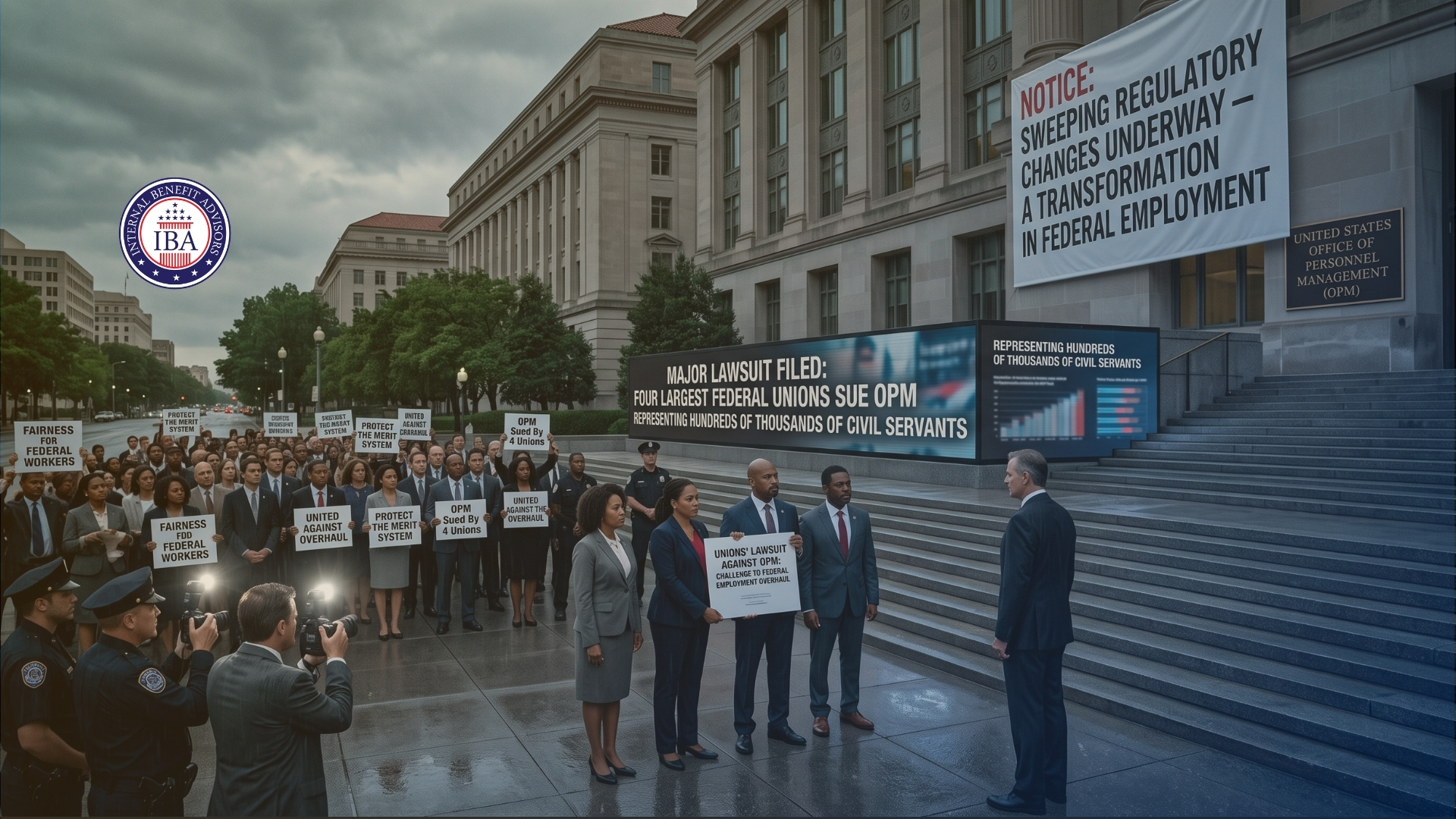


The federal government is currently undergoing an aggressive period of restructuring. While widespread workforce reduction initiatives are designed to streamline operations, they have inadvertently created a severe administrative bottleneck at the Office of Personnel Management (OPM). Recently, lawmakers and federal advocates have pressed OPM leadership on a critical issue: how deep internal staff reductions are dismantling the agency’s ability to process federal retirements in a timely manner.
For federal employees preparing to transition out of the civil service, this delay is no longer just a bureaucratic nuisance—it is a direct threat to their financial stability during the most vulnerable months of retirement.
Sound Data: Inside the OPM Processing Crisis
The reality of the current OPM processing environment is staggering. As agencies rushed to implement workforce mandates—including the White House-directed Deferred Resignation Program, Voluntary Early Retirement Authority (VERA), and Reductions in Force (RIFs)—an unprecedented wave of over 140,000 retirement applications flooded OPM’s system between early 2025 and the spring of 2026.
Simultaneously, OPM is operating with drastically reduced personnel. Recent oversight letters from House lawmakers highlight the irony of the situation: OPM’s own Retirement Services division lost more than 100 staff members due to the very same deferred resignation programs. Furthermore, the agency’s contact center staffing dropped from 150 to just 115 representatives.
Consider the hard numbers defining the 2026 crisis:
- The Exploding Backlog: Driven by the mass exodus, the OPM retirement backlog skyrocketed to over 65,000 pending cases in February 2026 before slightly dipping to 55,681 cases at the end of March.
- The Digital vs. Paper Divide: While OPM has heavily touted its new Online Retirement Application (ORA) to mitigate delays, processing times remain starkly divided. In March 2026, digital claims took an average of 39 days to process, while traditional paper claims languished for an average of 79 days.
- The “Interim Pay” Trap: Due to these severe administrative delays and staffing shortages, federal retirees are routinely forced to survive on “interim pay” for months before their full FERS or CSRS annuity is finalized. Interim pay only provides a portion of an employee’s earned pension.
The margin for error is absolute zero. When a retirement application contains a single mistake or missing document, the diminished OPM staff kicks the file back to the employee’s former agency. This effectively resets the processing clock and extends the interim pay period indefinitely, all while retirees find it increasingly difficult to reach human resources personnel due to reduced call center staffing.
Bridging the Gap with Internal Benefit Advisors
When OPM’s internal infrastructure is compromised by extreme staff cuts, hoping for a smooth administrative transition is no longer a viable retirement strategy. Federal employees must take proactive, defensive measures to ensure they survive the “interim pay” gap without permanently damaging their long-term wealth.
At Internal Benefit Advisors, we provide the independent, fiduciary-level support necessary to insulate your retirement from OPM processing delays:
- Flawless Paperwork Processing: The absolute best defense against the OPM backlog is an error-free application. We provide FREE assistance with your FERS or CSRS retirement paperwork. Our experts audit every form, ensuring your package is “OPM-ready” so it does not get rejected and delayed in the backlogged system.
- TSP and Gap Planning: We help you stress-test your cash reserves and structure your Thrift Savings Plan (TSP) to ensure you have accessible liquidity to comfortably weather the months-long interim pay period without triggering unnecessary tax penalties.
- Strategic Timing Analysis: If you are weighing an early retirement offer against the reality of an OPM delay, we calculate the exact financial impact. We help you choose a separation date that maximizes your leave payouts and minimizes the sting of delayed processing.
- Comprehensive Benefit Synchronization: Transitioning out of federal service requires precise timing for your Federal Employees Health Benefits (FEHB) and Federal Employees’ Group Life Insurance (FEGLI). We ensure your coverages remain intact and seamlessly transition with you into retirement, regardless of how long OPM takes to finalize your file.
Secure Your Transition
The current processing crisis at OPM serves as a stark reminder: you cannot control the government’s administrative capacity or staffing levels, but you have absolute control over the quality of your own preparation.
Do not let an agency backlog derail the retirement you have spent a career building. Contact the experts at Internal Benefit Advisors today for a Free Benefit Assessment and ensure your exit strategy is bulletproof.
References
- FEDweek. OPM Pressed on Impact of Staff Cuts on Retirement Processing, Service. FEDweek.com
- Internal Benefit Advisors. Information you need, Support you can trust. InternalBenefitAdvisors.com
- U.S. Office of Personnel Management (OPM). CSRS/FERS New Claims Monthly Processing Times (March 2026).
- GovExec. (2026, April 13). House Dems: OPM ‘omitted’ employee departures from retirement backlog investigation.